Restoring the Forests at Minute Man
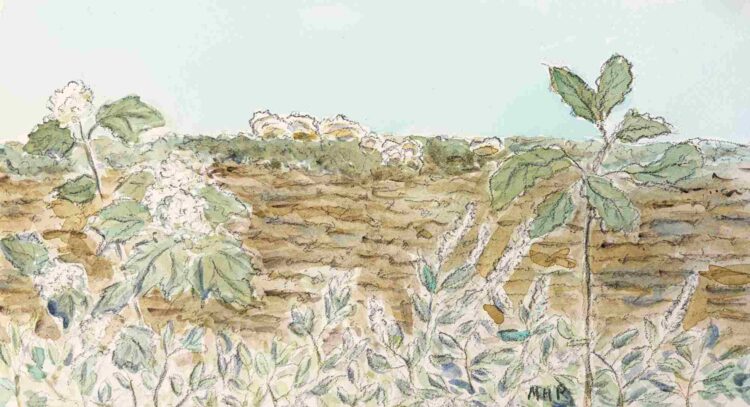
Regeneration of the forest understory after the fall of an ash tree, illustrated by Maria Park. After a snowy winter, spring is starting to emerge at Minute Man National Historical […]
Regeneration of the forest understory after the fall of an ash tree, illustrated by Maria Park. After a snowy winter, spring is starting to emerge at Minute Man National Historical […]
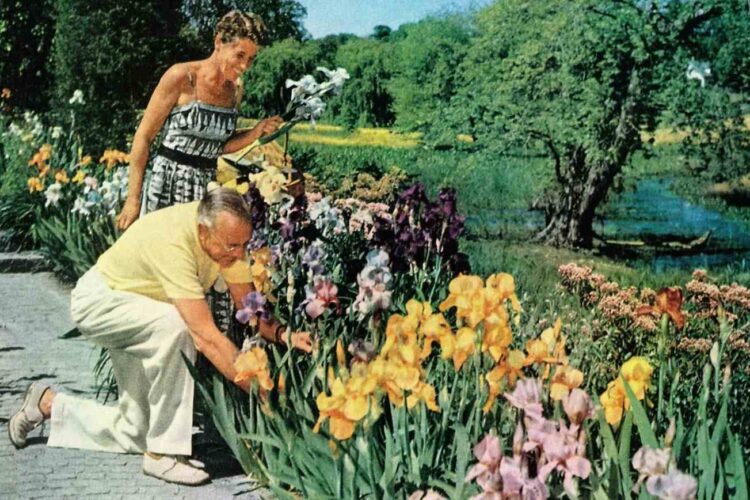
Stedman and Caroline Buttrick admiring their colorful iris beds. National Geographic Magazine, May 1959. Late May to early June is a spectacular time to visit the Buttrick Gardens and celebrate […]
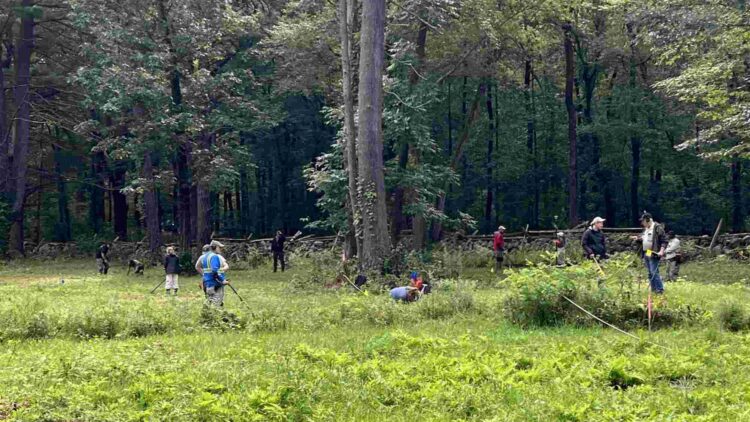
Elm Brook Hill archaeological crew in the summer of 2024. Written by Joel Dukes, Archaeologist, Northeast Archeological Resources Program; Nikki Walsh, Museum Curator, Minute Man National Historical Park; and Jarrad […]
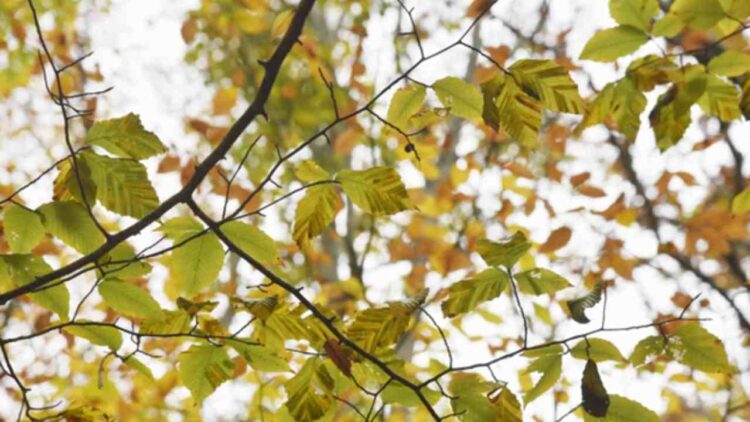
Beech trees stand out in any landscape, recognizable by their smooth gray bark, shiny leaves, and spiky beech nuts. Beech species in Massachusetts include the American beech, which is native […]
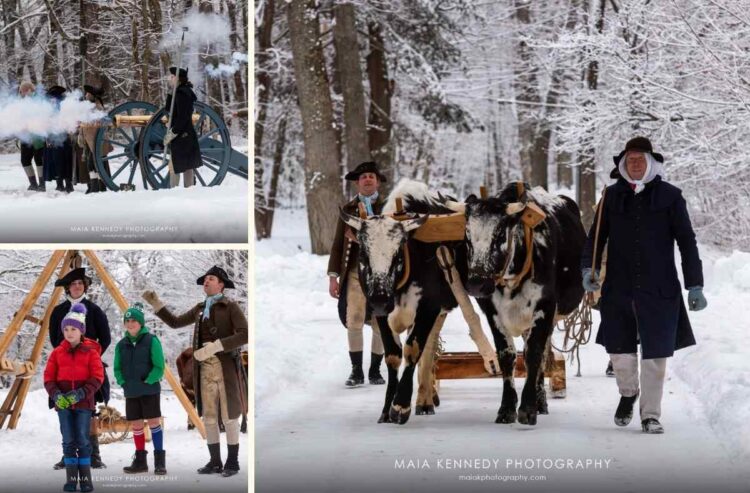
Winter is often a quiet season at Minute Man National Historical Park, but this year history came to life through a series of engaging community events. The Hive: A Symposium […]
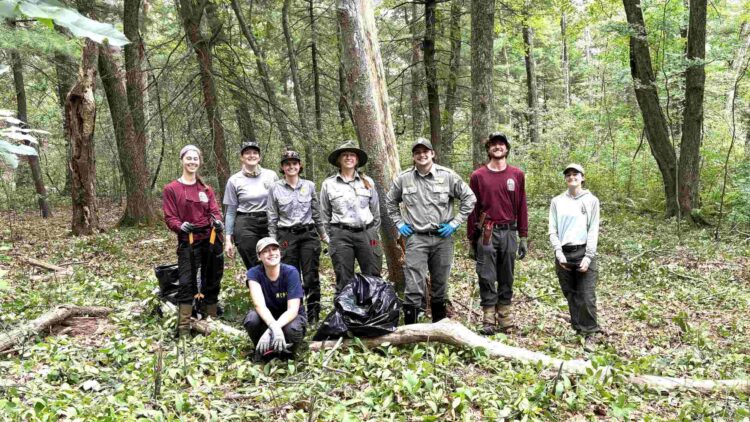
Apply by Sunday, March 8! Want to work at Minute Man this season? The Forest Stewards Guild is offering a new internship opportunity at Minute Man National Historical Park this […]
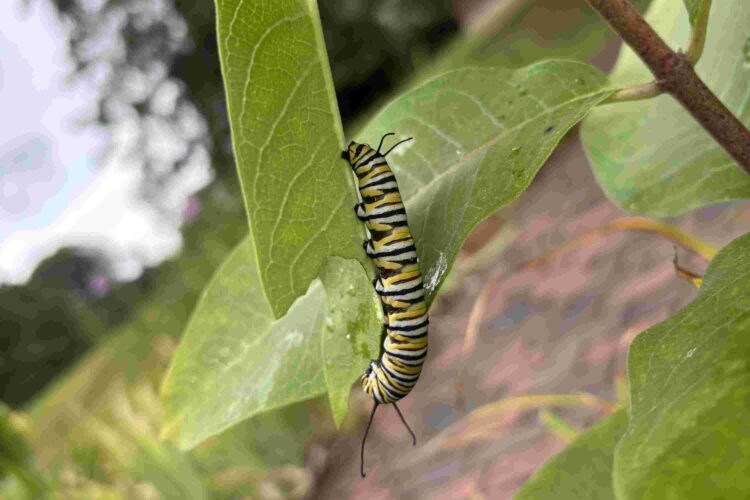
You’ve probably heard of monarch butterflies, but have you ever seen one before it becomes a butterfly? In late August, park staff and a few volunteers were lucky enough to find a monarch caterpillar […]
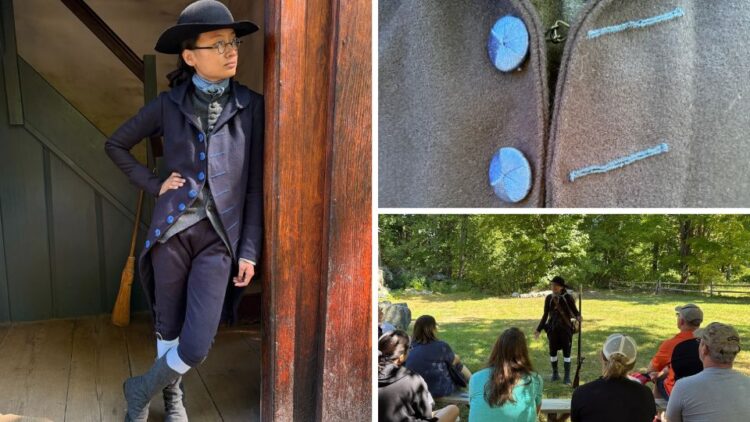
We have some talented tailors at Minute Man! Ranger Tseyang’s new suit of 18th-century clothing was ready for public debut this month. Staff and volunteers in the Park’s Historical Clothing […]
The Friends of Minute Man are thrilled to share that we have received a grant from the National Park Foundation to support our ongoing fundraising efforts for Minute Man National […]
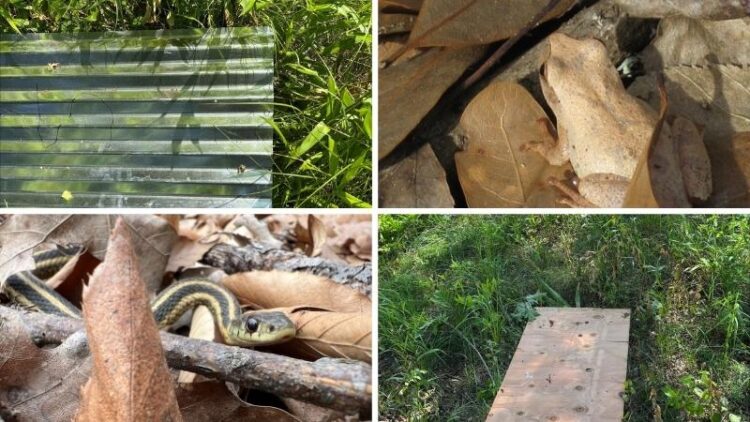
Minute Man National Historic Park is undergoing an exciting project in partnership with UMass Boston researchers to complete an amphibian and reptile survey of the park! This is a follow-up […]